



































當機械人走入人群:如何用 ISO 13482 打造真正「安全」的服務機械人? When Robots Enter Human Spaces: How ISO 13482 Defines the Future of Safe Service Robots


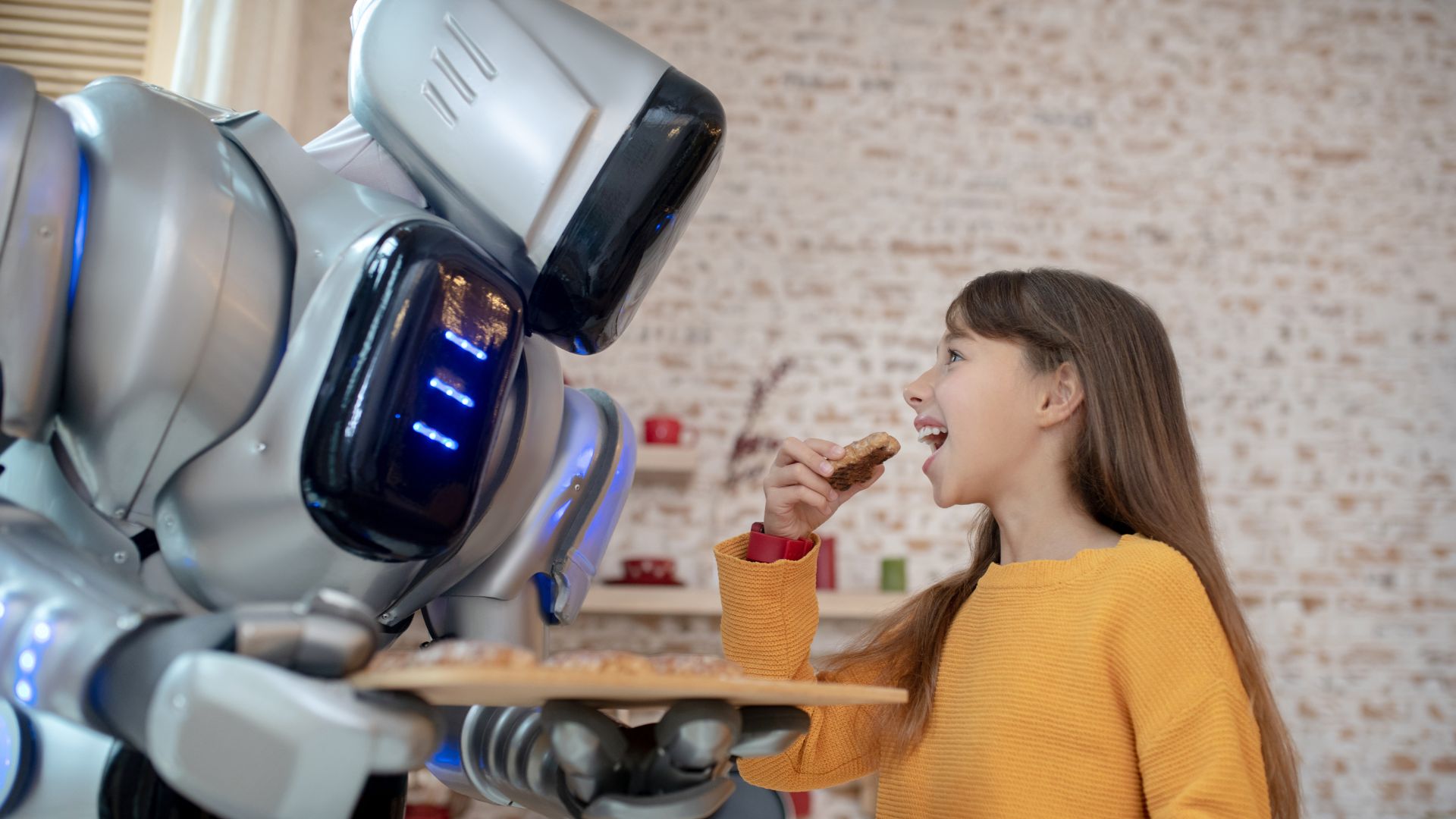 隨著服務型機械人快速進入餐飲、醫療照護、物流配送與公共服務等場域,人機共存的時代已正式來臨。然而,當機械人從工廠走向人群,安全問題也隨之升級——機械人不再只面對可預測的環境,而是需要在動態、多變且高度互動的場景中運作。如何確保機械人在各種情境下都能安全運行,已成為企業產品能否成功上市與拓展市場的關鍵。這正是 ISO 13482 所扮演的重要角色。
ISO 13482 是針對非工業環境中服務機械人所制定的國際安全標準,涵蓋移動型服務機械人、身體輔助型機械人以及人員運載機械人等應用。不同於傳統只關注機械功能的標準,ISO 13482 以「風險管控」為核心,從設計源頭即導入安全概念,要求企業全面評估人機接觸、機械運動、環境影響等潛在危害,確保機械人在任何可預見情境下都不會對使用者造成傷害。
根據德國萊茵 TÜV技術專家整理 ,服務機械人的安全設計需涵蓋多個關鍵面向,包括電池與充電系統的電氣安全,以避免過充、過放或觸電風險;機械結構設計需避免尖角、夾傷與人體卡入等危害;在運動控制方面,則需確保機械人行走穩定,防止翻倒、失控或負載掉落。同時,人機互動安全也是重點之一,機械人必須限制接觸力並優化設計,以確保即使與人接觸,也不會造成傷害。此外,噪音、振動、溫度與電磁干擾等環境因素,同樣需納入整體安全評估。
隨著人工智能與自主導航技術的發展,服務機械人的安全挑戰也進一步提升。這也促使 ISO 13482 持續演進,最新的 ISO/DIS 13482 / FDIS 版本(最終版預計 2026)已明確擴展標準範疇,從原本「個人照護機械人」延伸至商業與專業服務機械人應用,反映市場快速成長與多元化需求 。
同時,新版標準特別強化「動態環境安全」的概念,要求機械人不僅能避開靜態障礙物,更必須即時辨識並回應行人、車輛與其他移動物體,並針對反應時間、制動距離與安全間距提出更明確的要求。此外,面對 AI 與自主決策技術的普及,新標準也導入「獨立安全監控機制」的概念,即使 AI 系統發生錯誤判斷,仍能由安全層強制介入,避免危險發生,顯示安全設計已從單純硬件防護,轉向「AI + 系統架構」的整合安全思維。
值得注意的是,ISO/DIS 13482 亦開始納入與資訊安全及隱私相關的考量,例如防止未授權遠端控制或系統被入侵後導致人身風險,這也與全球法規(如歐盟 AI 法規與機械法規)逐步整合的趨勢一致。換言之,未來的服務機械人安全,不僅是「不傷人」,更是「在數字與實體世界中都安全」。
在此背景下,功能安全成為不可或缺的一環。服務機械人需符合 ISO 13849-1 與 IEC 62061 等國際標準,確保關鍵安全功能在任何狀況下皆能可靠運作,例如緊急停止、保護性停止、安全速度控制與避障機制等。這些看不見的系統設計,往往才是真正決定產品安全性與合規性的核心。
德國萊茵 TÜV作為全球領先的第三方檢測、檢驗與認證機構,憑藉超過百年的技術經驗與全球服務網絡,為企業提供完整的服務機械人安全解決方案。從產品開發初期的風險評估,到安全架構設計、測試驗證乃至國際市場准入,德國萊茵 TÜV協助企業在整個產品生命週期中落實安全與合規要求,不僅降低風險,更提升品牌信任度與市場競爭力。
未來,服務機械人的競爭將不再僅止於功能創新,而是回歸到「安全與信任」的本質。ISO 13482 持續演進,而即將發布的 2026 新版標準,更象徵著機械人產業正式邁入「高自主、高互動、高責任」的新階段。對企業而言,及早導入標準與安全設計,不只是符合法規,更是搶占市場先機的關鍵。
When Robots Enter Human Spaces: How ISO 13482 Defines the Future of Safe Service Robots
As service robots rapidly expand into restaurants, healthcare, logistics, and public environments, human–robot interaction is no longer a concept—it’s reality. However, once robots move beyond controlled industrial settings into dynamic, unpredictable human environments, safety becomes significantly more complex. Ensuring that robots operate safely under all foreseeable conditions is now a critical factor for successful market entry and long-term competitiveness. This is where ISO 13482 plays a vital role.
ISO 13482 is an international safety standard specifically developed for service robots operating in non-industrial environments. It covers mobile service robots, physical assistant robots, and person carrier robots. Unlike traditional standards that focus primarily on mechanical performance, ISO 13482 takes a risk-based approach, requiring manufacturers to systematically assess hazards related to human interaction, motion, environment, and system behavior. The goal is clear: ensure that robots remain safe in all reasonably foreseeable situations.
According to TÜV Rheinland, service robot safety must address multiple critical dimensions. These include electrical and battery safety to prevent overcharging, deep discharge, and electric shock; mechanical design to eliminate sharp edges, pinch points, and entrapment risks; and motion control to ensure stability, preventing tipping, loss of control, or falling loads. Human–robot interaction safety is equally essential, requiring limitations on contact force and thoughtful ergonomic design to prevent injury even during physical interaction. In addition, environmental factors such as noise, vibration, temperature, and electromagnetic compatibility must be carefully evaluated and controlled.
With the rapid advancement of artificial intelligence and autonomous navigation technologies, safety challenges are evolving further. This is reflected in the ISO/FDIS 13482 revisions (Final version expected around 2026), which significantly expand the scope of the standard—from “personal care robots” to a broader range of professional and commercial service robots. This shift acknowledges the growing diversity and complexity of real-world applications.
The updated standard also places strong emphasis on dynamic environment safety. Robots are no longer required to simply avoid static obstacles; they must now detect and respond to moving objects such as pedestrians, vehicles, and even pets in real time. New requirements are being introduced for response time, braking distance, and minimum safe separation distances.
At the same time, the increasing use of AI introduces new risks. To address this, the updated standard introduces the concept of an independent safety monitoring layer. Even if the main AI system makes an incorrect decision, this safety layer must be capable of intervening—triggering emergency stops or safe responses to prevent harm. This reflects a fundamental shift: robot safety is no longer just about hardware protection, but about integrated system-level safety combining software, AI, and control architecture.
Another important development is the growing integration of cybersecurity and privacy considerations. The new version begins to address risks such as unauthorized remote access or hacking that could lead to unsafe robot behavior. This aligns with broader regulatory trends, including emerging AI and machinery regulations, highlighting that future robot safety must encompass both physical and digital domains.
In this context, functional safety becomes indispensable. Service robots must comply with standards such as ISO 13849-1 and IEC 62061 to ensure that critical safety functions—such as emergency stop, protective stop, safe speed control, obstacle avoidance, and stability control—operate reliably under all conditions. These invisible system mechanisms are often the true backbone of product safety and compliance.
TÜV Rheinland, as a globally recognized testing, inspection, and certification body with over 150 years of experience, provides comprehensive safety solutions for service robots. From early-stage risk assessments and safety concept design to testing, certification, and global market access, TÜV Rheinland supports manufacturers throughout the entire product lifecycle. The result is not only reduced risk, but also enhanced product credibility and stronger market positioning.
Looking ahead, competition in the service robotics industry will no longer be defined solely by innovation or functionality, but by safety, reliability, and trust. As ISO 13482 continues to evolve, the upcoming 2026 revision signals a new era of robotics—one defined by high autonomy, close human interaction, and greater responsibility. For manufacturers, early adoption of these standards is not just about compliance—it is a strategic move to lead in the global market.

編輯推薦
追蹤我們
+886-2-2172-1001 (台灣)
+852 21921022 (香港)
+86 4008831300 (中國)
熱門分享